




Croydon is home to some of south London’s most haunting abandoned buildings, as reported by our sister title London Now.
From crumbling psychiatric hospitals to deserted airport terminals and ghostly tower blocks, the borough’s past continues to fascinate locals, urban explorers and historians alike.
Many residents pass these sites every day without a second thought, but look closer and a darker, more mysterious side of Croydon begins to emerge, with chilling stories etched into the fabric of its most eerie landmarks, London Now reports, where a deeper look at these locations can be read.
Cane Hill Hospital, Coulsdon
Few abandoned buildings in South London can claim a reputation as haunting as Cane Hill Hospital.
This vast psychiatric hospital first opened in 1882 in Coulsdon, sheltering thousands of patients at its peak.
The Victorian asylum, conceived by architect Charles Henry Howell, isolated on a massive hilltop site, was among Britain's largest mental health institutions.

Through the years, the hospital catered to severe cases of mental illness, dementia and trauma, its isolated corridors and substantial underground tunnels generating an array of ghost stories and urban myths.
The hospital's decline began in the 1960s, leading to its staged closure before being completely abandoned in the 2000s.
The site became a hotspot for urban explorers before much of it was demolished after severe fires jolted the buildings in 2010.
Reports of shadowy figures, unexplained noises, and eerie belongings left in wards spread online, adding to the hospital's chilling reputation.
The cemetery history of Cane Hill Hospital is equally disturbing. Nearly 6,000 former patients were interred on the grounds before being exhumed and cremated during redevelopment in the 1980s.
Today, only fragments of the original asylum now remain, including the chapel and water tower.
Croydon Airport Terminal and Control Tower
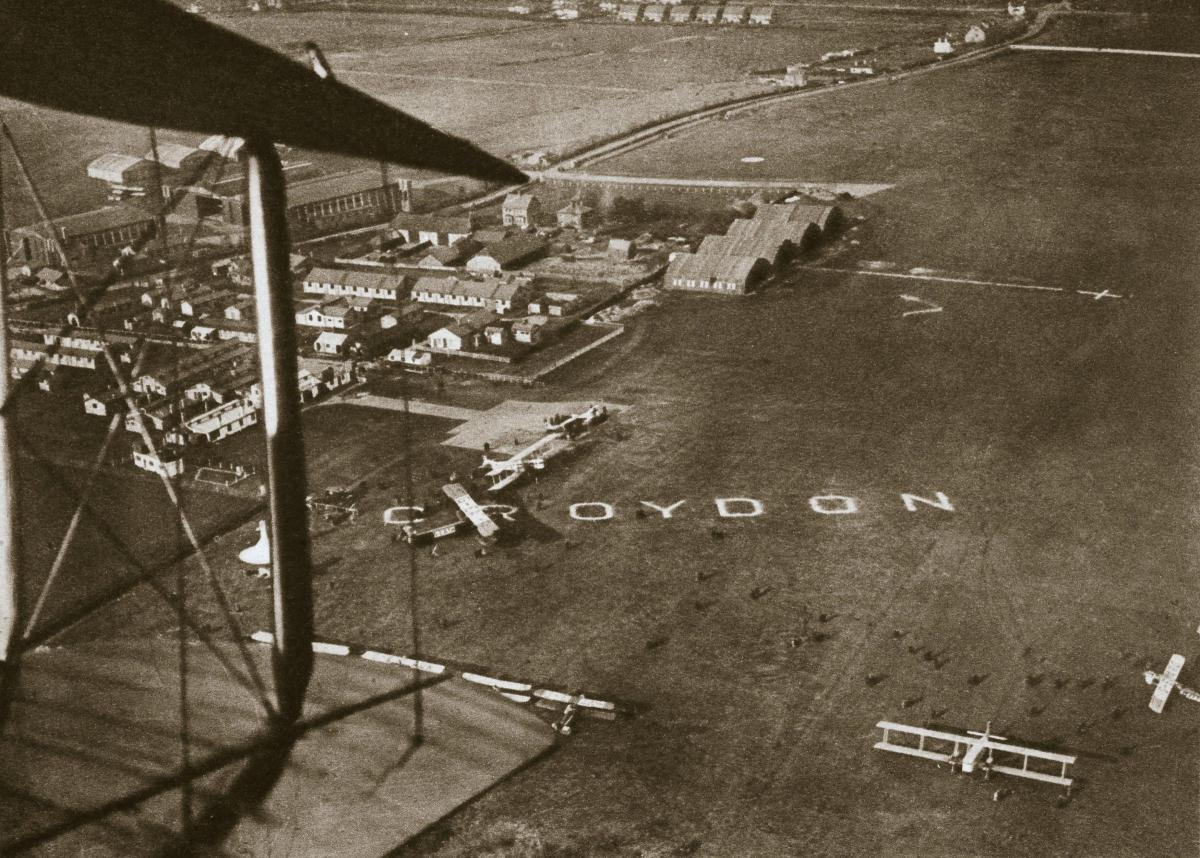
Long before Heathrow managed London's majority air traffic, Croydon Airport was the city’s premier aviation hub.
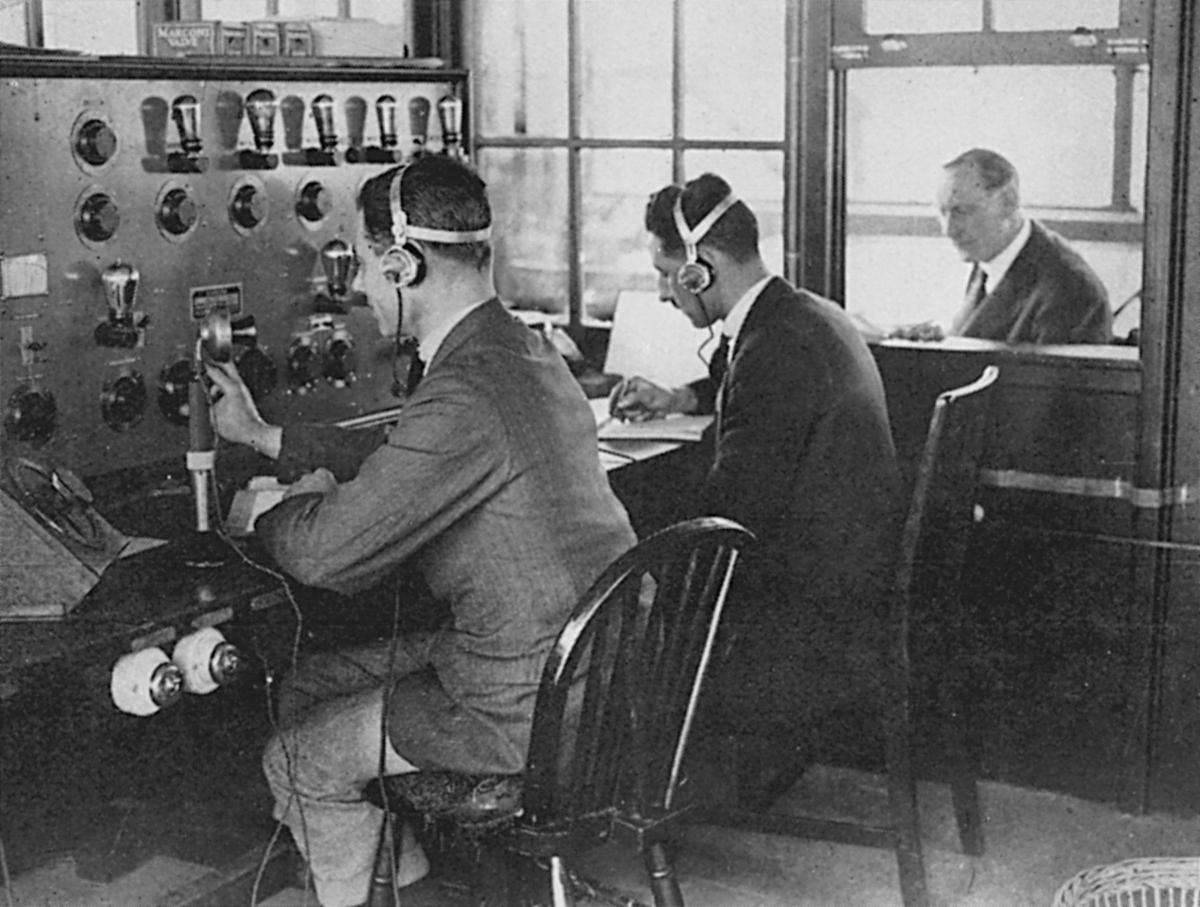
Opening its gates in 1920, the airport was not only the UK's first major international airport but also was home to several aviation firsts, from the world’s first purpose-built air traffic control tower to the first airport hotel.

Distinguished personalities like Amy Johnson, Charles Lindbergh, and Winston Churchill frequented the airport, with Churchill reportedly even taking flying lessons there.
But by the late 1950s, as Croydon Airport lagged behind modern-day needs, it was eventually replaced by Heathrow in 1959.
Fragments of the airport still linger near Purley Way, such as the old terminal building, control tower, and the Aerodrome Hotel.

While sections of the airport have seen restoration as a visitor centre, its deserted art deco interiors and silent runways give off a somber feel.
As a mark of concern, Historic England has placed some structures on its ‘Heritage at Risk’ register due to visible decay.
The site now attracts paranormal aficionados, with reported accounts of phantom aircraft engines and footsteps inside the old terminal, adding an element of fear.
Nestlé Tower, Croydon Town Centre
Dominating the borough's skyline, the hulking Nestlé Tower is one of Croydon’s most recognisable deserted landmarks.
The 24-storey St George’s House was completed in 1964, serving as Nestlé UK’s headquarters for many years.
When the company moved out in 2012, the building was left largely uninhabited, becoming a testament to Croydon’s halted regeneration projects.

The iconic Blue Orchid nightclub, once located at the base of the building, also shut shop in 2004.
Despite prospects of redevelopment, sections of St George’s Walk shopping area were left derelict, with closed units, graffiti, and empty corridors morphing the area into a post-apocalyptic visage.

Local folklore has depicted the complex as particularly haunting after twilight, given the deserted concrete walkways and edifice’s towering Brutalist design.
The Island Development, Wellesley Road
Known to many as the ‘abandoned towers,’ the Island Development became one of the Croydon's strangest unfinished sights.
Initial construction began amid a property boom in 2007, but financial troubles brought the project to an abrupt stop in 2009.

Partially built towers remained deserted for years, their silent upper floors and uncompleted balconies providing an eerie sight alongside Croydon’s bustling precincts.
It was reminiscent of an abandoned film set, stuck in time, signifying Croydon's financial struggle following the crash.
READ MORE:
- London named world's best city for culture - beating Paris
- The 120-year-old Tube line that's celebrating with events, tours and more
- Best things to do in London this week and weekend now that Tube strikes are cancelled
Although construction eventually resumed, the once-abandoned skeletons remain an emblem of the borough's economic woes.
Croydon’s Forgotten Past
While redevelopment plans are in progress for some of these structures, their chilling reputations continue to draw interest.
Behind every bricked-up doorway and deserted corridor lies a fragment of Croydon's history, with stories ranging from pioneering aviation and Victorian psychiatry to dreams of regeneration left unfulfilled.
As rejuvenation efforts aspire to reshape some parts of the borough, some people believe these places will remain haunted by their past.